Toxic Heavy Metals in Cannabis: What You Need to Know
By Alison Adduono, Director of Marketing
With the legalization of marijuana in more and more states, so increases the usage. While not yet approved at the federal level, 24 states and the District of Columbia have approved its use.
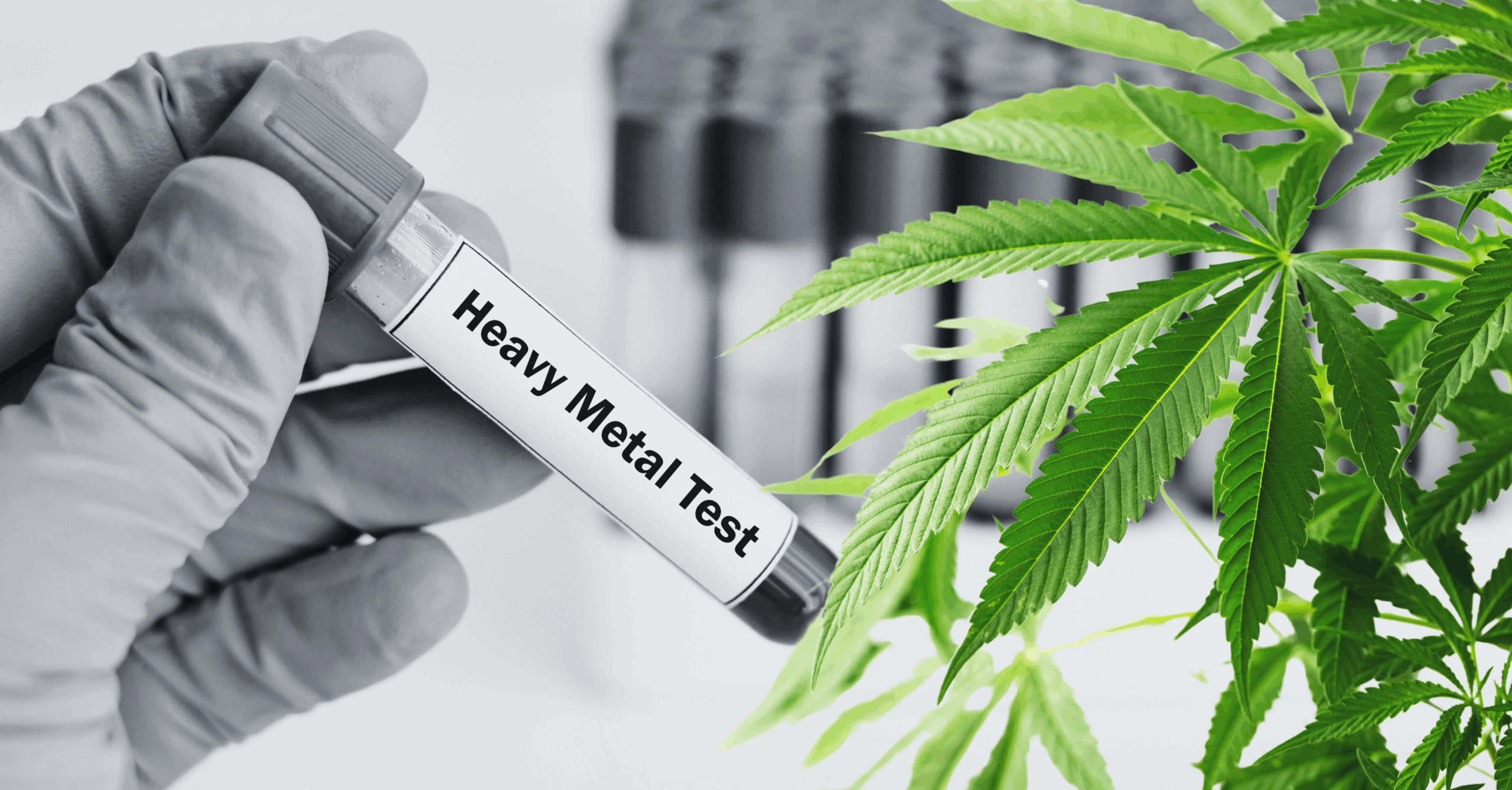
But with this growth also comes a new concern…. heavy metal (and I am not talking about rock music).
Some research is showing that marijuana users have higher levels of heavy metals in their body than non-users.
Why are heavy metals in cannabis a concern?
According to a research paper published by Penn State University, there are several metals that could be present in cannabis such as lead, mercury, arsenic, cadmium and chromium. And since the heavy metal content of cannabis is not regulated, users could be unknowingly exposed.
Heavy metals have been found to lead to neurotoxic conditions, chronic diseases and to be carcinogenic. They bind to parts of your cells affecting organ functions, and in some cases can cause irreversible damage and can be life threatening. Cadmium has been linked to kidney disease and lung cancer. Lead poisoning can occur when lead builds up in the body over time and it can lead to mental and physical impairment. Of course, lead itself can also be found in other things such as common household items so finding out that it can also be present in cannabis is concerning.
Signs of Heavy Metal Poisoning
There are several common symptoms associated with heavy metal poisoning which include: abdominal pain, nausea, diarrhea, vomiting, chills, etc. But there are some symptoms that are specific to the type of heavy metal poisoning:
- Lead
- Constipation
- Headache
- Fatigue
- Irritability and/or aggressive behavior
- Sleep issues
- Elevated blood pressure
- Reduced appetite
- Anemia
- Memory impairment
- Mercury
- Lack of coordination and/or trouble walking
- Muscle weakness
- Difficulty with hearing and/or speech
- Nerve damage affecting your hands and/or face
- Changes in vision
- Arsenic
- Gastrointestinal issues (i.e. nausea, vomiting, and diarrhea)
- Skin conditions (i.e. spots, lesions, warts, red or swollen skin, etc.)
- Irregular/unusual heart rhythm
- Muscle cramps
- Cadmium
- Breathing problems
- Fever
- Muscle aches and pain
- Chromium
- Skin conditions (i.e. dermatitis, skin ulcers dryness, fissuring, and scaling, etc)
- Respiratory and/or sinus complications (i.e. bronchitis, asthma, congestion, etc.)
- Intense gastrointestinal and/or epigastric pain
- Cardiovascular effects including cardiopulmonary collapse or arrest
- Dizziness, headaches, and fatigue
- Discoloration of teeth
Statistics of Heavy Metal Poisoning
The Associated Press reported that national data estimated that in 2022 approximately 17.7 million people used marijuana daily (or almost daily). Usage from 1992 to 2022 has increased 15-fold.
A research study conducted by the National Health and Nutrition Examination Survey, or NHANES and published in the journal Environmental Health Perspectives, including data from 2005 through 2018, specifically looked at lead and cadmium. Its findings indicated that marijuana users had higher levels present in both their urine and blood specimens than non-users:
| Metal | Urine | Blood |
| Lead | 21% higher | 27% higher |
| Cadmium | 18% higher | 22% higher |
What is Causing Heavy Metal Contaminants in Cannabis?
There are several factors that can contribute to heavy metal contaminants in cannabis. Here are just a few of them:
- Cannabis plants are being grown in reclaimed abandoned industrial sites that could have residual metal and other chemical contaminants in the soil.
- Metals naturally occur in soil, but cannabis has a special property which makes it a hyperaccumulator. This characteristic makes it highly effective at absorbing heavy metals, pesticides, petroleum solvents, crude oil, and other potentially harmful chemicals without causing harm to itself.
- Some cannabis strains are cultivated specifically for phytoremediation, a process that involves using plants to remove pollutants from soil, water, or air. These specialized strains can help detoxify contaminated environments by absorbing and breaking down harmful substances. Unfortunately, some may end up being used/consumed.
- The grower may be using metal-containing pesticides on their crops or nearby crops where it is leaching into the soil.
- The cannabis crops may be being raised in states that do not have growing regulations in place.
Health Risks of Heavy Metals in Cannabis
Aside from heavy metal poisoning, cannabis has also been shown to contribute to an increased risk of developing heart or stroke conditions and even has a negative effect on teen brain development and mental health.
If you do want to use marijuana, consider its source, and your quantity and frequency of use. Weigh the “benefit” with the health risks of heavy metals in cannabis. If you feel you may have been exposed or are experiencing symptoms of metal poisoning consult with medical professionals.
Resources:
- Cannabis may contain heavy metals and affect consumer health, study finds | Penn State University (psu.edu)
- Heavy Metal Poisoning – Lead, Mercury, Arsenic and Cadmium (rarediseases.org)
- Lead Poisoning: Causes, Symptoms, and Diagnosis (healthline.com)
- Daily marijuana use outpaces daily drinking in the U.S., a new study says (nbcnews.com)
- Marijuana users have more heavy metals in their bodies | CNN
- Heavy Metal Poisoning: Symptoms, Testing, Treatment, and More (healthline.com)
- Chromium toxicity: Causes, complications, treatment, & safety | FactDr
- Heavy Metal Poisoning (Heavy Metal Toxicity): Symptoms, Causes & Treatment (clevelandclinic.org)
- Studies show marijuana use can cause higher levels of lead in the body | Watch (msn.com)