Risky Highs: The Link Between Teen Cannabis Use and Mental Health
By Alison Adduono, Director of Marketing
Marijuana is currently approved for recreational use in 24 states and the District of Columbia. And while not currently legal on the federal front, one would expect that with its reclassification pending with the US Drug Enforcement Administration, it won’t be too far behind. Given the change in acceptance, over the next few weeks we will take a deeper look at marijuana and its effect on health. Teen cannabis use and its effects on their mental health is discussed in our first installment.
According to a 2019 study performed by Substance Abuse and Mental Health Services Administration (SAMHSA) report more than 48 million people ages 12 and older have used marijuana at least once. And while not legal for youths, it would appear based on some statistics that its legalization has just made it that much more accessible — enabling teen cannabis use and that is troubling.
Statistics on Teen Cannabis Use
- The American Academy of Child and Adolescent Psychiatry reports that marijuana use among teens is at its highest level in 30 years. And today’s teens are more likely to smoke marijuana than traditional tobacco.
- Since its legalization, Colorado has reported a 65% increase in first time usage of teens age 12-17.
- Colorado has also seen an increase in adolescent suicide victims that test positive for marijuana.
Marijuana’s Adverse Effects on Teens and Adolescents
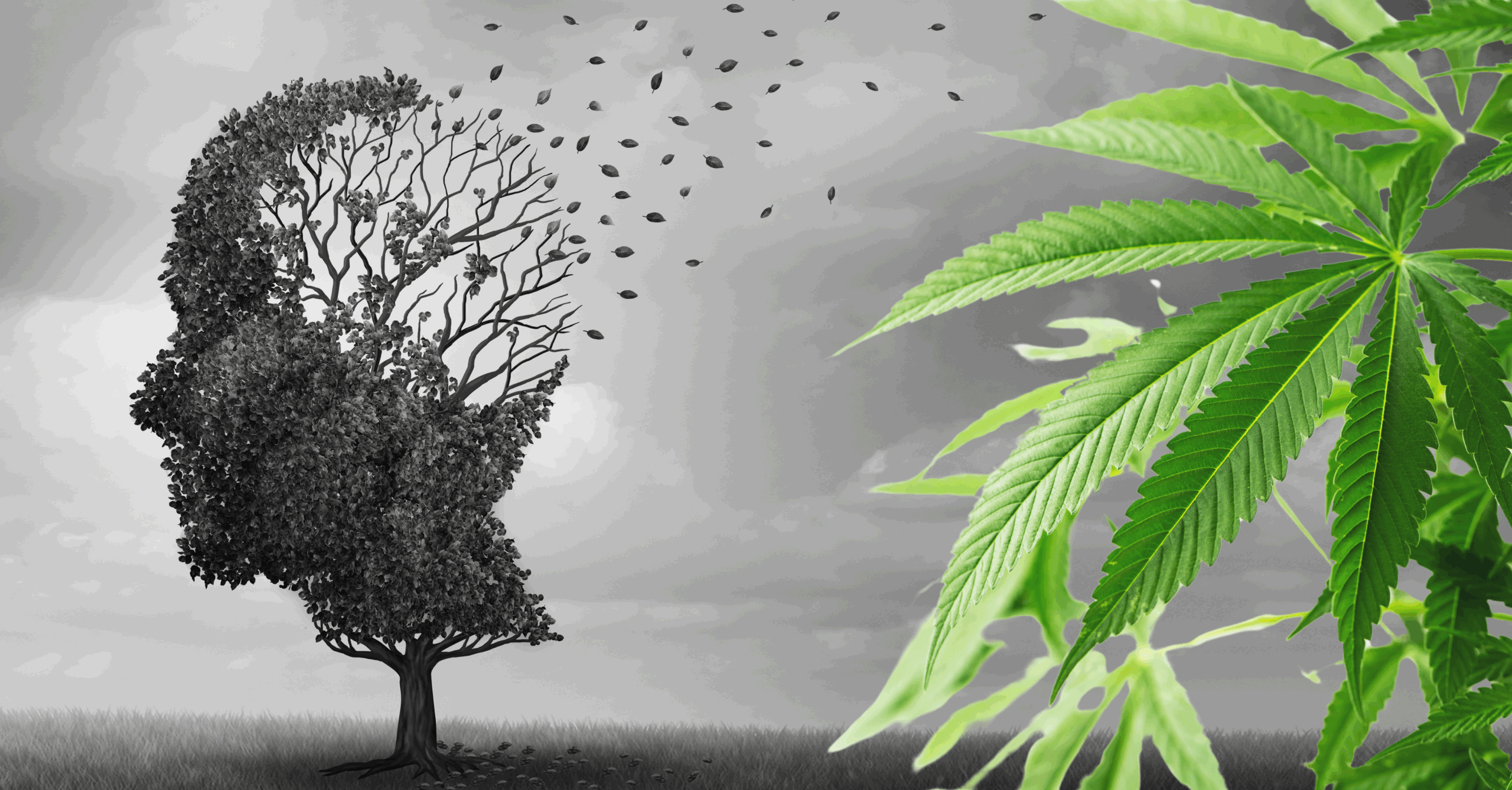
The tetrahydrocannabinol (THC) in cannabis can actually have long-term effects on brain development in babies, adolescents and teens. That is because the brain continues to develop until about the age of 25.
Frequent use can have an effect on the following:
- Pre-frontal cortex – the brain’s “personality center”
- Cerebellum – controls movement and balance
- Amygdala – processes emotions and memories
Mothers that use cannabis products during pregnancy, may have children that will exhibit issues with attention, memory and problem solving skills. Youths that use marijuana may experience issues with their academic functioning as far as paying attention, memory and learning abilities. They are also more inclined to experience difficulty in school, engage in risky behaviors, try other drugs, etc.
Individuals that become addicted to marijuana – developing Cannabis Use Disorder (CUD) – are unable to stop using it even though it is causing them health and social problems. The risk of developing CUD is greater among individuals that start in their youth or adolescence and who use it more frequently.
Long term use of marijuana can lead to even more serious conditions such as depression, anxiety, and schizophrenia. In fact, recent research from the National Institutes of Health (NIH) has linked cannabis use disorder (CUD) – which affects 3 in 10 users – to an increased risk of developing schizophrenia. If not for marijuana use, an estimated 30% of schizophrenia cases in men in their twenties could have been prevented.
A study conducted by researchers with the National Institute on Drug Abuse (NIDA), found that there was also correlation between cannabis use and an increase suicidality in young adults. As suicide is the leading cause of death among young adults in the US, the findings of this study are important. Marijuana abuse and depression are treatable conditions and identifying these potential risk factors can help with intervention.
Summary
Marijuana use among teens is a touchy subject. Teens don’t want to talk to their parents about drugs. They also don’t often consider marijuana’s adverse effects or other consequences. Begin talking with your child at an early age about marijuana. If needed — even have instant drug tests on hand if you want to test your teen. Continue to have follow up discussions and if you have concerns about your child’s potential drug use, talk with your child’s pediatrician or a qualified mental health professional.
Resources:
- Key Substance Use and Mental Health Indicators in the United States: Results from the 2019 National Survey on Drug Use and Health (samhsa.gov)
- Understanding Your Risk for Cannabis Use Disorder | Cannabis and Public Health | CDC
- Marijuana and Teens (aacap.org)
- SAM-Digital-C-4.pdf (learnaboutsam.org)
- Cannabis and Brain Health | Cannabis and Public Health | CDC
- Is it dangerous to smoke weed? What you need to know about using marijuana. (msn.com)
- Young men at highest risk of schizophrenia linked with cannabis use disorder | National Institutes of Health (NIH)
- Cannabis use may be associated with suicidality in young adults | National Institutes of Health (NIH)