Fentanyl Overdose – The Silent Pandemic That Is Making A Killing
By Alison Adduono, Director of Marketing
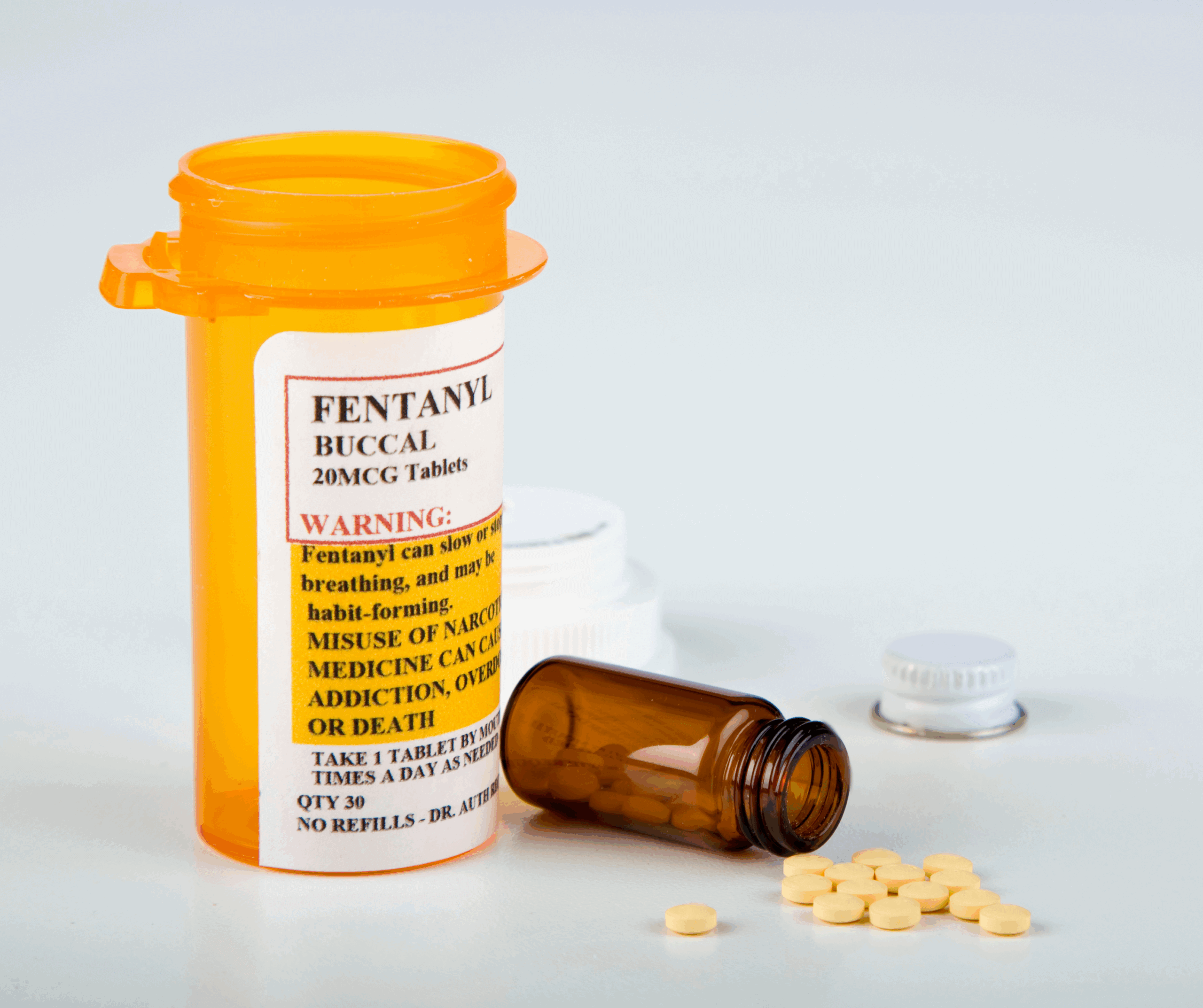
Over the last several years Fentanyl abuse has been on the rise. This has been both intentional and unintentional. In many instances, the drug user is completely unaware of its presence as they are expecting another drug of abuse and in turn they are setting themselves up for a potential Fentanyl overdose.
With its heroin-like effect and extreme potency it is frequently mixed with other drugs. Very often it is formed into pills that resemble other prescription opioids. It is even placed in nasal sprays, eye drops, and dropped onto paper or small candies for illicit use. More affordable, more potent, more habit-forming, and more lethal – a truly chilling amalgamation.
Fentanyl falls under the synthetic opioids family. This potent drug, commonly trafficked into the US from Mexico, is a major contributor to overdoses (both fatal and non-fatal) in the United States as it is:
- 50 times stronger than heroin
- 100 times stronger than morphine
There are two types of fentanyl:
- Pharmaceutical Fentanyl – prescribed by doctors, typically after surgery or for late-stage cancer, to manage severe pain
- Illicit Fentanyl also referred to as Illegally Made Fentanyl (IMF) – available in various forms including pills, liquid/injectables and powder
Street Names
The US Drug Enforcement Admininstration (DEA) has identified the following street names for Fentanyl: “The Apace, China Girl, China Town, Dance Fever, Friend, Goodfellas, Great Bear, He-Man, Jackpot, King Ivory, Murder 8, Poison and Tango & Cash.”
Scary Statistics
- Fentanyl and other synthetic opioids account for almost 70% of all overdose deaths.
- Recent data (compiled from 2020 to 2022) suggests users are transitioning from injecting to smoking IMFs. In cases where an IMF was the sole detected substance, the proportion of individuals with evidence of injection declined by 41.6%, while the percentage with evidence of smoking rose by 78.9%
- In 2021, nearly 70,000 people in the US died from drug overdoses involving fentanyl, marking an almost four-fold increase over the past five years. This surpassed death rates associated with heroin, cocaine, and methamphetamine.
- In 2023 the DEA seized 79.5 million fentanyl-laced pills and almost 12K pounds of fentanyl powder. That equates to more than 376.7M lethal doses of fentanyl.
- According to the DEA, approximately 70% of pills confiscated contain this inexpensive, potent synthetic opioid. Not only is it mixed into various recreational drugs and counterfeit prescriptions, spanning from cocaine, heroin, and methamphetamines to painkillers but even in ADHD medication.
- Each day over 150 people die from synthetic opiate related overdoses.
Drug-Related Overdose Deaths In The News
We have definitely heard a lot about fentanyl in the news over the last several years either because of the spike in overdoses, drug busts and proposed legislation and celebrity deaths. No matter what age, race, or gender, fentanyl has become the most commonly used drug in overdose fatalities.
In fact musician Prince was apparently taking Vicodin to manage his pain, but was unknowingly taking counterfeit pills laced with fentanyl when he died from an overdose.
Another musician, Tom Petty, was said to have been using an assortment of pain meds to manage several ailments including a broken hip. He died of complications from an accidental overdose of opioids fentanyl, oxycodone, acetyl fentanyl, and despropionyl fentanyl. The sedatives temazepam and alprazolam and the antidepressant citalopram were all also found in his system.
Signs of Fentanyl Drug Use & Addiction
As with any opiate, there is a risk of dependency, tolerance, misuse, and addiction with fentanyl. The signs and symptoms of use are very similar to other opiates. Here are some of the common signs:
- Change in behavior, routine, and/or mood
- Non-label use of narcotics (i.e. opening up fentanyl slow-release gel patch to get high more quickly)
- An initial euphoria followed by subsequent depression
- Confusion or disorientation
- Slowed heart rate and breathing
- Weakness and difficulty walking
- Muscle stiffness
- Constricted pupils
- Dizziness and/or fainting
- Tremors or shaking
- Slurred speech
- Dry mouth
- Excessive drowsiness
- Nausea and vomiting
- Itching and scratching sensations
- Swelling in the arms or legs
- Hallucinations and visual disturbances
- Unconsciousness or extreme sedation
- Loss of appetite
- Insomnia
- Seizures
Fentanyl Withdrawal
Physical dependence results in withdrawal symptoms when individuals suddenly stop taking the drug. People who take fentanyl may develop a tolerance to high doses, meaning that more of the drug is needed to achieve the desired effect. For someone who is addicted to fentanyl, withdrawal symptoms can start as early as a few hours after they stop taking it. Individuals going through withdrawal can experience extreme discomfort and dehydration. Severity and length will differ by individual. Medications such as methadone and buprenorphine (Suboxone) can help alleviate some of the symptoms of acute opioid withdrawal.
Withdrawal symptoms may include:
- Diarrhea
- Nausea and vomiting
- Tachycardia (increased heart rate)
- Muscle, bone or back pain
- Hypertension (high blood pressure)
- Insomnia
- Anxiety or irritability
- Increased body temperature
- Sweating
- Chills/cold flashes
- Goosebumps
- Severe cravings
- Uncontrollable leg movements
- Widened pupils
- Runny nose or watery eyes
- Fast breathing
- Increased heart rate
What To Do If You Suspect A Fentanyl Overdose
Even in small doses, fentanyl can be deadly. It may be hard to tell if someone is under the influence of drugs or is in the throes of a fentanyl overdose. Identify the signs:
- Labored, shallow breathing (breathing may even stop altogether)
- Choking or gurgling sounds (while breathing)
- Cold and clammy skin
- Discolored skin (particularly in nails and lips)
- Hypoxia (lack of oxygen to the brain)
- Constricted pupils (small pupils)
- Unresponsiveness
- Limbs (arms and legs) appear limp
- Lethargic
- Weak pulse (can be slow or fast)
- Nausea and vomiting
Experts say to treat the situation like an overdose and take these essential steps as you just may save a life:
- Call 911 as soon as possible.
- If available, administer a dose of Narcan (naloxone). This is a life saving medication that can reverse the effects of an opioid overdose.
- Attempt to keep individual alert and breathing.
- Position individual on their side to prevent choking.
- Remain with them until the first responders/emergency services arrives.
Harm Reduction Strategies From The CDC
Fentanyl is very illusive in that you cannot see it, taste it, or smell it. So in order to proactively reduce the potential for overdoses, the CDC recommends that drug users test their drugs for fentanyl with Fentanyl Test Strips (FTS) prior to use. Even if the test is negative, exercise caution as test strips may not detect more potent fentanyl-like drugs, such as carfentanil.
Other precautionary recommendations for preventing fentanyl overdoses include:
- Avoid mixing drugs
- Keep Naloxone (i.e. Narcan) on hand
- Don’t trust your previous experience or source/dealer
- Do not use drugs while you are alone
- Get help for your addiction issues through findtreatment.gov or by calling the 24/7, National Helpline at 800-662-HELP (4357)
Drug Testing
With the spike in fentanyl usage so have we seen an increase in testing for it. Whether performing lab based tests or instant tests it is safe to say that more and more employers are beginning to re-evaluate their testing protocols and adding fentanyl to their panels. If you are interested in sourcing instant tests, check out Origin’s urine and oral fluid tests.
Resources:
- Fentanyl (dea.gov)
- Routes of Drug Use Among Drug Overdose Deaths — United States, 2020–2022 (cdc.gov)
- New report details the deadly rise of fentanyl in the US | CNN
- Home | DEA.gov
- From “Just say NO” to “Just say KNOW”. What happened when we put fentanyl test strips to the test. – CBS San Francisco (cbsnews.com)
- THE FACTS ABOUT FENTANYL (cdc.gov)
- Celebrities Who Died Due To Fentanyl Poisoning (vibe.com)
- Tom Petty Died of an Accidental Drug Overdose, Coroner Says | TIME
- Celebrities who died of fentanyl overdoses (msn.com)
- How To Tell If Someone Is on Fentanyl? | Signs of Fentanyl Use (therecoveryvillage.com)
- Fentanyl Withdrawal Symptoms, Timeline & Detox Treatment (americanaddictioncenters.org)
- Fentanyl Facts (cdc.gov)
- Fentanyl Overdose Symptoms, Dangers & Treatment (americanaddictioncenters.org)
- The Common Signs of Fentanyl Overdose – GoodRx
- Fentanyl Test Strips: A Harm Reduction Strategy (cdc.gov)
- OTC NARCAN® (naloxone HCl) Nasal Spray
- Home – FindTreatment.gov