Employee Background Checks: The Art and Science of Unveiling Shadows and Hidden Secrets

By Alison Adduono, Director of Marketing
Over the course of your lifetime, you have probably undergone a background check or two (maybe for a landlord or a job) and while pretty routine, not all organizations choose to run them on their candidates. In this blog we discuss the rationale and different types of parameters associated with employee background checks.
Why Are Employee Background Checks Important?
As a complement to standard pre-employment drug tests, performing background checks is also a good practice for employers engaged in the hiring process. It can help reveal information that was either mistakenly or intentionally omitted by the candidate.
Here are several compelling reasons to set up a background check policy and then conduct them on your applicants:
- Qualification Verification – Extending beyond just employment verification this helps you to find the most qualified individuals who contribute to your company’s growth rather than jeopardizing it, verify that candidates meet the necessary educational and professional requirements. Additionally, take advantage of the opportunity to validate the information provided by job candidates, including confirming attendance dates, degrees, certifications earned, and obtaining specific details about their prior employment.
- Safety and Security – To ensure the safety of your other employees and customers, candidates should be screened for histories of violence and unsafe behavior.
- Risk Management – A background check is a useful risk management tool that has been proven to reduce the odds of a bad hire. In most cases, if an employer neglects to perform their due diligence and thoroughly investigate the background of an applicant hired for a position with significant risk, they could be held liable for negligent hiring or retention. If that employee is later involved in serious misconduct or illegal activities, the resulting punitive damages could amount to millions of dollars. Therefore, any perceived time and cost savings from skipping background checks pale in comparison to the potential legal expenses required to defend against a negligent hiring lawsuit.
- Integrity and Honesty – To foster honesty during the application and interview process, it’s essential to emphasize that background checks are a mandatory part of employment. Simultaneously, this approach acts as a deterrent for applicants who may have something to conceal.
- Eliminate Uncertainty – Relying on one’s instinct is not enough, and background checks can help eliminate that uncertainty or nagging feeling in the hiring process.
- Equal Opportunity – To ensure a fair hiring process employers must comply with federal laws under the EEOC that protect applicants and employees from discrimination. This process helps to ensure this protection.
- Legal Compliance – Due to their industry or government ties some employers may be legally required to perform background checks.
You can predict a lot about a candidate’s future behavior by looking at their history, and a thorough employee background check helps you make an informed decision. It is likely that applicants will be more forthcoming when a background screening program is in place.
Types of Background Services and Reports
There are quite a few different types of searches that can be conducted. Those include:
- Criminal History Check:
- National Criminal Data Base Search
- County Courthouse Criminal Record Search
- State Criminal Search
- International Criminal Search
- Federal Criminal Records Search
- National Sex Offender
- Civil County Courthouse Search
- Motor Vehicle Records (MVR) Search
- Health Care Sanctions (OIG)
- Terrorist Watch
- Education Verification
- Work History Employment Verification
- Pre-Adverse/Post-Adverse Action
- Social Security Number (SSS) Trace
- i9 Verification
- Background Screening Resource Center
What Does a Good Background Check Service Entail?
When selecting a provider of background check services and interpreting their results, employers should consider the following best practices:
- Services and Reports: Look for a provider that offers a comprehensive range of screening services, from criminal history checks to employment and education verification. As detailed above there are several different levels of reports one could have performed.
- Straightforward Reporting: An easy-to-read and understandable report is essential. While avoiding using confusing legal jargon, they should clearly explain any findings.
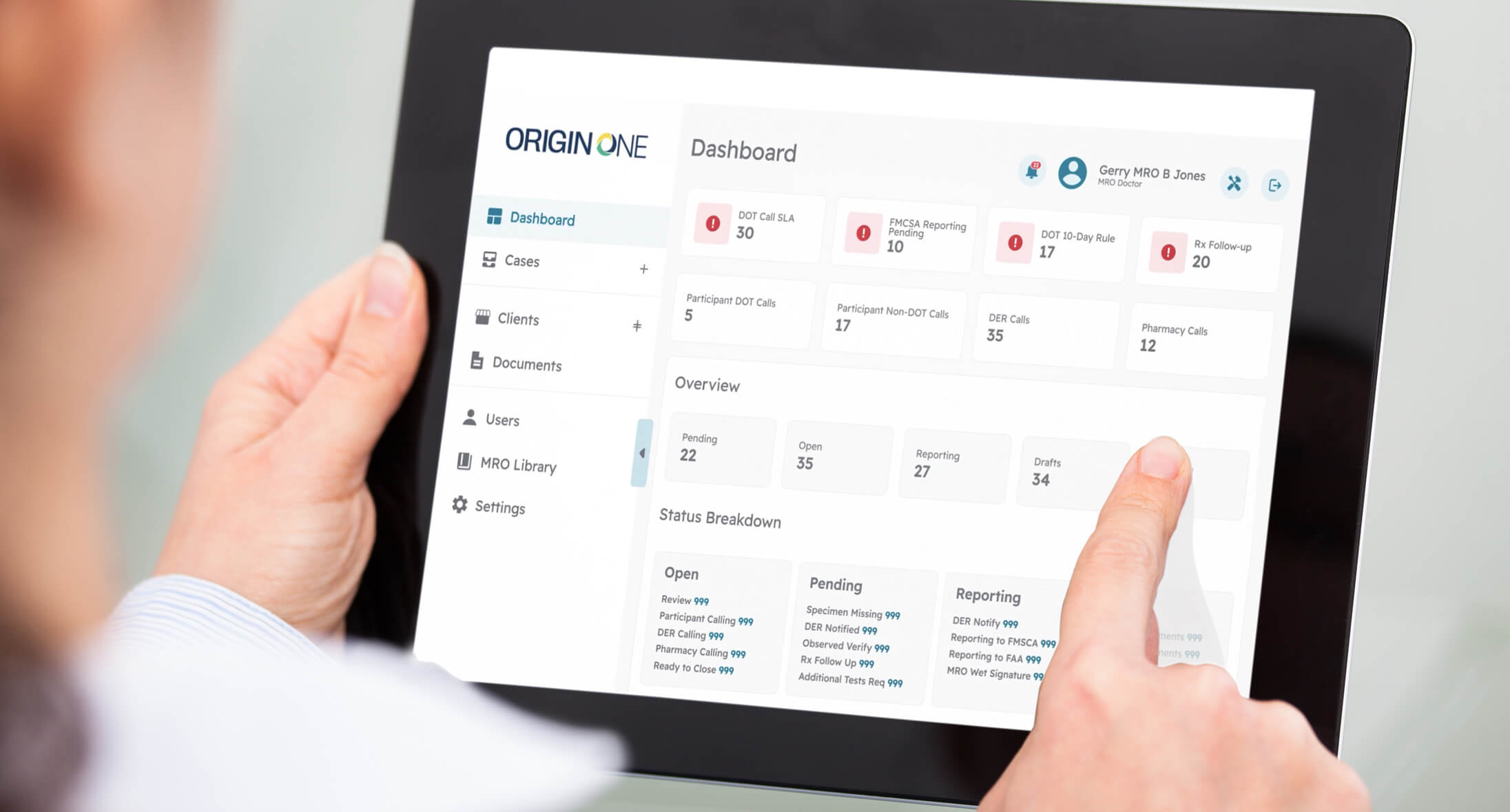
- User-Friendly Platform: The screening service should have an intuitive platform (much like ORIGINONE) that makes it easy to request checks and view reports.
- Accuracy and Reliability: Check out the service provider’s reputation. Do they have a good rating? Are they accurate and thorough? Inaccurate information can lead to legal issues and poor hiring decisions.
- Industry Experience: Look for a service that has experience in your industry as they would be well versed in tailoring a program to meet your specific needs.
- Data Security: Make sure they have strong data security measures in place to protect sensitive information.
- Legal Compliance: The provider should be well-versed in local, state, and federal laws, including the Fair Credit Reporting Act (FCRA), to ensure compliance.
- Turnaround Time – Seek a service provider who can strike a harmonious balance between comprehensive reporting and efficient delivery of timely results. This will help streamline your candidate onboarding process.
- Customer Support: The importance of good customer service cannot be overstated, and their agents should be able to offer you assistance in comprehending the reports.
- Dispute Resolution – If a candidate wants to contest any inaccurate information in their report, the service provider should offer a transparent process for them to do so.
Result Considerations
When interpreting results, employers should:
- Check It Out: When you’re looking at background reports, give ’em a good once-over. Pay attention to any red flags. Look for details related to the criminal history check, employment verification, education, and other relevant information.
- Context Matters: Think about how any findings relate to the job. A speeding ticket might not matter for an office gig, but it’s a big deal for a delivery driver.
- Know the Limits: Remember, background checks aren’t superheroes—they won’t catch everything. Think of them as just one piece of the hiring puzzle.
- Spot the Consistency: Compare what’s in the report with what the candidate provided in their application and resume. Are there any significant discrepancies in dates, job titles, employers, etc.? If something doesn’t match up, dig deeper.
- Ask Questions: If things seem fuzzy or concerning, chat with the candidate. Get the scoop straight from the source.
Employers can ensure informed decision-making and uphold a fair and efficient hiring process when they keep these tips in mind. It is crucial to treat all candidates equitably and safeguard their privacy during the background screening process.
Record Retention
According to the US Equal Opportunity Commission (EEOC) and Federal Trade Commission (FTC) there are set requirements for record retention. Any background checks and employment records you maintain are required to be preserved for one year (two years in the case of educational institutions, local and state governments, and federal contractors that have at least 150 employees and a government contract of at least $150K). Should an applicant or employee lodge a discrimination complaint, it is necessary to preserve all pertinent records until the legal proceedings have been fully resolved.
After recordkeeping requirements have been met, you may dispose of any background reports you received. The law mandates secure disposal of reports and any derived information. Secure destruction methods may involve incinerating, grinding, or shredding physical documents, and eradicating electronic data to prevent its recovery or reconstruction.
Want Some Further Direction With Background Check Services?
Employers can access a host of different background packages (economy, criminal, premium, and drivers) through Origin. Our team can help you tailor a program that helps meet the requirements of your Background Check Policy. Want to see a Pass or Fail result? A graded background check simply allows your Origin background screening researcher to adjudicate background check reports, with a “Pass” or “Fail”, based on your company’s predefined criteria. Reporting has been made easy.
Overall background check services are critical to use to help employers be informed during the hiring process and contribute to the safety and success of their company.