What Does Pre-Employment Drug Testing Look Like?
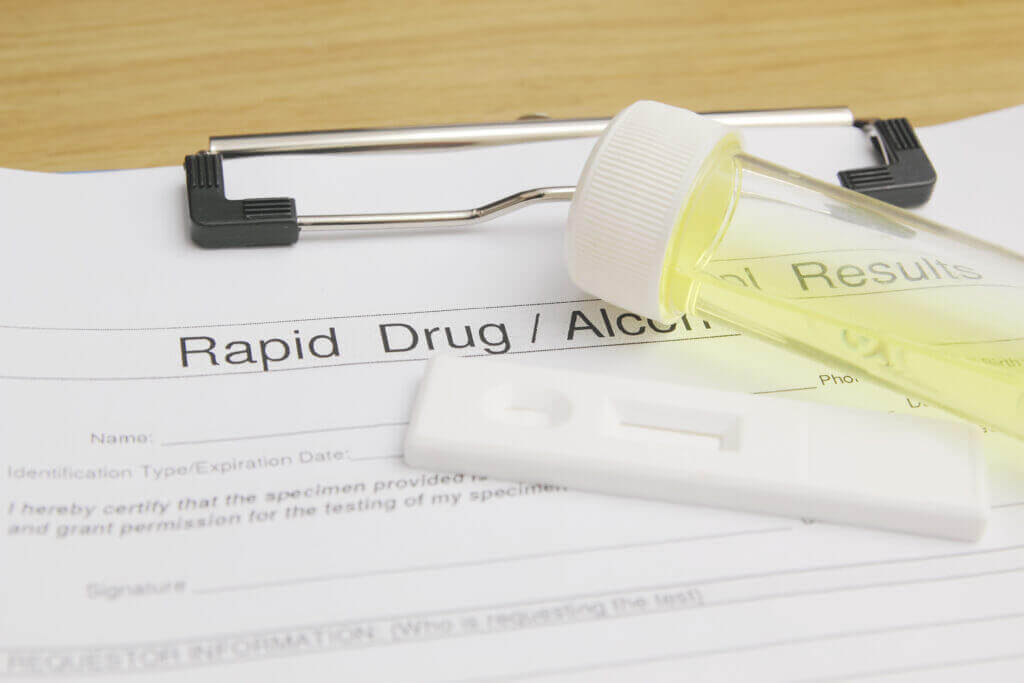
Many employers require pre-employment drug testing as part of their hiring process. In some cases, they even require alcohol testing as part of their screening process.
There are several substances that pre-employment drug tests look for. These may be drugs and alcohol. A job offer may be considered based on the results of the drug test.
Who is tested?
Often, the law will require a company to request a drug test from their applicants before a job offer is made. For instance, companies that work with the Department of Transportation will require pre-employment drug testing. Some states have different regulations. For most employers, however, rules about failed drug tests were developed as part of the company’s human resources policy. Many companies believe random drug testing is the most effective type of drug screening to enhance workplace safety. Overall, any company looking to maintain a drug-free workplace will most likely have a pre-employment drug testing program in place.
How to pass the test
The best way to pass the pre-employment drug test is to make sure you do not have any drugs in your system.
There are many factors that can determine the length of time for drug detection. This can change according to your body mass, age, and how your body metabolizes the drug.
Other factors include drug tolerance, hydration levels, weight, and physical activity. Drugs tend to settle in fatty tissues, so people with higher levels of fatty tissues can have the residue of drugs longer in their system.
An additional factor may be the amount and frequency of the drug used. One-time use may only be detected for a short period of time, whereas long-time drug use can be detected for an extended period of time.
Types of pre-employment drug testing
For the most part, employers typically screen for a 5-panel drug test and occasionally alcohol (depending on industry). This standard 5 panel configuration is also referred to as the NIDA-5 or the SAMHSA-5.
- Amphetamines (methamphetamine)
- Cannabinoids (hashish, marijuana, THC)
- Cocaine (benzoylecognine, cocaethylene)
- Opiates (opium, codeine, heroin, morphine)
- Phencyclidine (PCP)
We are also seeing panels that are 10 drugs or more becoming more popular. In some scenarios employers have even been expanding their drug screens to include many of the following drug assays:
- Barbiturates (Secobarbitol, Phenobarbital, Butalbital)
- Oxycodone/Hydrocodone/Hydromorphone
- Methaqualone
- Benzodiazepines
- Methadone
- Propoxyphene
- Ethanol (Alcohol)
- MDMA (Ecstasy)
- Tricyclic Antidepressants
- Fentanyl
- 6AM/6-MAM (6-Acetylmorphine and 6-Monoacetylmorphine – the metabolite of heroin)
Drug Testing Methods
There are various methods of testing from laboratory-based tests to onsite drug tests (instant tests). Here is a breakdown:
- Urine – This is the most common method. There are lab-based and instant test formats available, The advantage of instant tests is that they can provide quick preliminary results in about 5 minutes allowing you to get individuals who have tested negative to work that much sooner. Non-negative tests results should be confirmed by a more specific lab-based test. Laboratory tests are very specific and can test for a wider array of assays that are not available on instant tests. While lab tests are very accurate, they can be time consuming. This methodology is referred to as Gas chromatography–mass spectrometry (GC–MS) or Liquid chromatography–mass spectrometry (LC-MS). Urine tests typically look for the metabolites of drugs present in the sample. Please note that not all industries permit the use of instant tests.
- Breath – This test format is solely for alcohol testing. There are disposable breath alcohol tests but many rely on a breathalyzer. A breathalyzer measures the amount of alcohol you currently have in your blood. This type of test shows the current levels of intoxication or impairment. Generally, a single ounce of alcohol stays in a person’s system for up to one hour.
- Saliva – Also referred to as oral fluid testing, this sample method can be performed by lab-based tests or instant test. As with urine, instant tests that show a non-negative result should be confirmed. Not many instant tests have a retained oral fluid sample (unlike urine) so a secondary collection is typically required (using a lab transport media such as a Quantisal or Intercept swab) in order to send a specimen to a lab. Saliva testing provides a shorter testing window This type of test can check for previous use of drugs during the last few hours up to one to two days.
- Hair – A hair test can give information for the past 3 months, while a urine drug test can show if the person used drugs recently. The hair test will test 100 strands of hair cut very close to the scalp to test the usage of drugs for the past 90 days. It cannot test current drug usage, nor test alcohol usage. The hair test can test for cocaine, marijuana, opiates, methamphetamine, and phencyclidine.
If you are an organization that performs pre-employment drug tests, partnering with Origin can help you streamline your pre-employment screening process and background check, enabling you to make the most informed recruitment decisions.
Reference:
https://www.thebalancecareers.com/drug-and-alcohol-tests-for-employment-2060409